
Buy 3-CMC 250 MG Pellets (3-Chloromethcathinone)
$ 16.50 $ 592.75Price range: $ 16.50 through $ 592.75
3-CMC is a chlorinated methcathinone stimulant supplied as 250 mg pellets for pharmacological and toxicological research.
3-CMC 250 MG Pellets (3-Chloromethcathinone) Product Description
Introduction
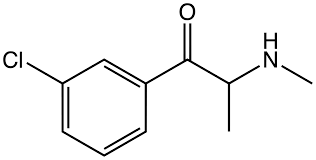
3-CMC (3-Chloromethcathinone), also known as clophedrone, is a synthetic cathinone research chemical structurally characterized by a chlorine substitution at the 3-position of the phenyl ring of methcathinone. It is a chiral molecule with two enantiomers commonly produced as a racemic mixture. 3-CMC is supplied in 250 mg pellet form for laboratory research, enabling precise dosing and consistent study conditions. It is intended solely for scientific experimentation into stimulant effects and pharmacology, with no therapeutic or medical claims.
Chemical Properties and Specifications
Structural and Molecular Characteristics
| Attribute | Specification |
|---|---|
| Chemical Formula | C10H12ClNO |
| Molecular Weight | 197.66 g/mol |
| CAS Number | 2291021-63-9 (R-enantiomer), 2107425-89-6 (S-enantiomer) |
| IUPAC Name | 1-(3-chlorophenyl)-2-(methylamino)-1-propanone |
| Synonyms | Clophedrone, 3-CMC |
Physical Properties and Purity Standards
-
Appearance: Fine white powder or small white crystals, compressed into 250 mg pellets.
-
Purity: Research-grade 3-CMC generally ≥ 98%, confirmed by advanced chromatographic and spectrometric methods.
-
Solubility: Soluble in polar organic solvents such as dimethyl sulfoxide (DMSO), dimethylformamide (DMF), ethanol, and methanol; hydrochloride salt variants are typically water-soluble.
-
Storage Recommendations: Store in airtight, light-resistant containers in a cool, dry environment protected from moisture. Refrigeration at 2-8°C is recommended for long-term stability.
Pharmacological Profile and Mechanism of Action
Proposed Mechanism of Action
3-CMC functions as a central nervous system stimulant primarily by modulating dopaminergic and noradrenergic systems through inhibition of dopamine and norepinephrine reuptake transporters (DAT and NET). The chlorine substitution on the 3-position influences its potency, lipophilicity, and metabolic stability compared to methcathinone and other cathinone derivatives. Behavioral studies indicate significant stimulant effects and potential for abuse liability consistent with other cathinone stimulants.
Research Applications
3-CMC is extensively utilized in preclinical and forensic research to delineate its pharmacodynamics, toxicology, metabolism, and behavioral impact. It aids in structure-activity relationship (SAR) studies comparing positional isomers and investigates mechanisms underlying stimulant action and potential neurotoxicity.
Comparative Analysis with Related Compounds
Comparison to 2-CMC, 4-CMC, and Methcathinone
3-CMC differs from its positional isomers 2-CMC and 4-CMC in the position of chlorine substitution on the aromatic ring, resulting in unique potency and metabolic profiles. Like methcathinone, it acts primarily as a dopamine and norepinephrine reuptake inhibitor but often shows enhanced lipophilicity and CNS penetration. These differences make 3-CMC valuable in probing structural nuances governing stimulant efficacy.
Advantages for Research
-
High purity enables controlled experimental dosing and reproducibility.
-
Enables SAR analysis on halogenated cathinones with position-selective substitution.
-
Supports forensic analytic method development and toxicological profiling.
Safety and Handling Guidelines
Laboratory Safety
Laboratory personnel must use PPE, including gloves, lab coat, and eye protection, and handle samples in ventilated fume hoods to minimize inhalation and dermal exposure.
Disposal and Environmental Considerations
Dispose of waste under hazardous chemical protocols. Prevent environmental contamination through containment and proper neutralization.
Regulatory Status
3-CMC is regulated in many countries and is restricted for licensed research. It falls under controlled substance analog legislation in several jurisdictions.
Frequently Asked Questions (FAQs)
-
What research purposes does 3-CMC serve?
-
Studying stimulant pharmacology, transporter activity, behavioral effects, and toxicology.
-
How does chlorine substitution affect 3-CMC’s activity?
-
It influences receptor/transporter binding affinity, potency, and metabolic stability.
-
What solvents effectively dissolve 3-CMC?
-
DMSO, DMF, ethanol, methanol, and buffered aqueous solutions (for salts).
-
How should 3-CMC pellets be stored?
-
Airtight, dark, cool, and dry conditions; refrigeration advised for longer shelf-life.
-
Is 3-CMC legal?
-
Generally restricted under controlled substance and analog laws for research only.
Conclusion
3-CMC 250 MG Pellets offer a high-purity chlorinated cathinone stimulant optimized for scientific research into monoamine transporter pharmacology and behavioral effects. Their precise dosing and stable formulation contribute to rigorous neuropharmacological and forensic studies of novel psychoactive substances.
Reviews
There are no reviews yet.