

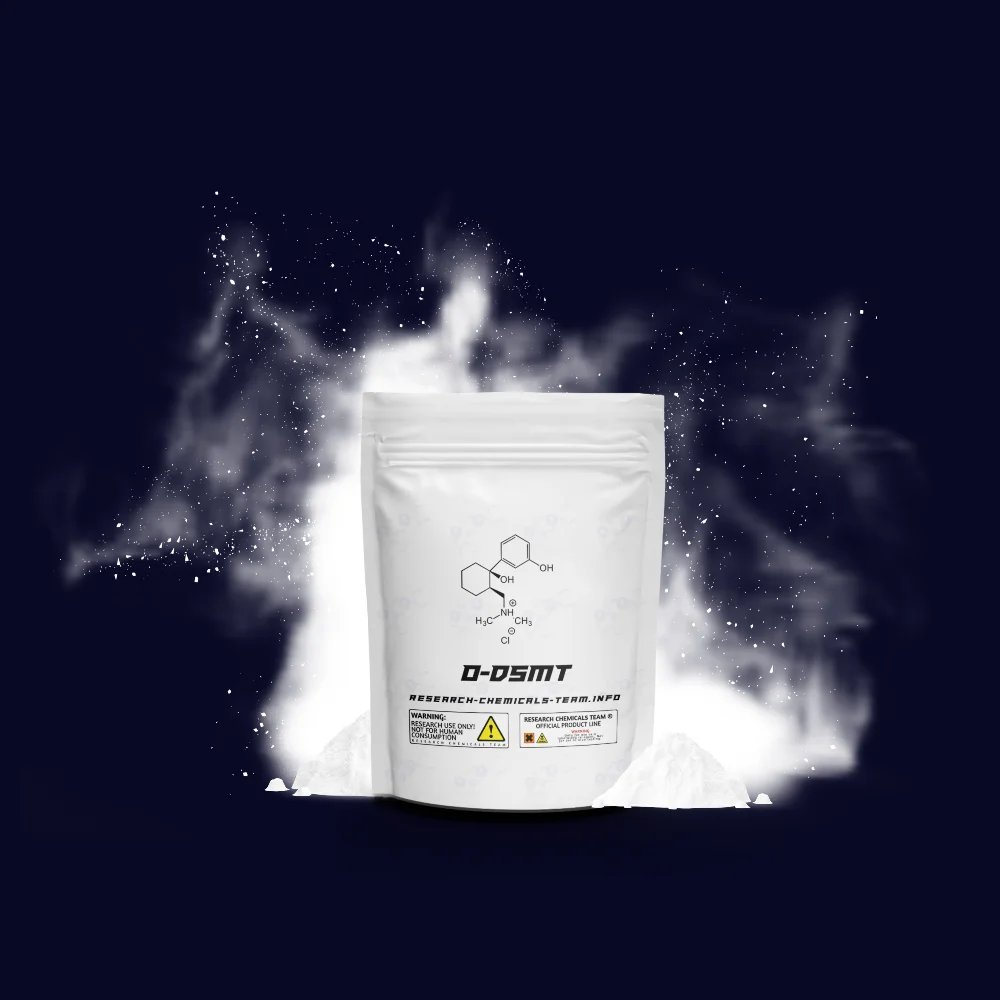



Buy O-DSMT
$ 33.29 $ 618.30Price range: $ 33.29 through $ 618.30
O-DSMT is the active opioid metabolite of tramadol used in research to study μ-opioid receptor-mediated analgesia. It is a potent, pure crystalline compound.
O-DSMT (O-Desmethyltramadol)
PRODUCT DESCRIPTION
Introduction
O-DSMT, scientifically known as O-Desmethyltramadol, is the main active metabolite of the opioid analgesic tramadol. It is a cyclohexylphenol compound appearing as a crystalline solid or powder form typically used in research settings. O-DSMT is primarily researched for its potent opioid analgesic properties mediated via the μ-opioid receptor and is notably more potent than its parent compound tramadol. It plays a vital role in understanding tramadol’s pharmacological and toxicological effects.
Chemical Properties and Specifications
Structural and Molecular Characteristics
-
Chemical Formula: C15H23NO2
-
Molecular Weight: 249.35 g/mol
-
CAS Number: 80456-81-1
-
IUPAC Name: 3-{2-[(dimethylamino)methyl]-1-hydroxycyclohexyl}phenol
-
Synonyms: Desmetramadol, Mono-O-demethyltramadol, O-Demethyltramadol, M1
Physical Properties and Purity Standards
-
Appearance: White to off-white crystalline powder
-
Purity: Typically ≥98% pure for research use
-
Solubility: Soluble in organic solvents like ethanol and DMSO, limited aqueous solubility
-
Storage Recommendations: Store in a tightly sealed container at 2-8°C, protected from light and moisture
Pharmacological Profile and Mechanism of Action
Proposed Mechanism of Action
O-DSMT exerts analgesic effects by acting as a potent μ-opioid receptor agonist, providing effective pain relief. It binds to the μ-opioid receptors in the central nervous system more strongly than tramadol, accounting for its greater efficacy. This metabolite also affects norepinephrine and serotonin reuptake to a lesser extent, contributing to its analgesic profile.
Research Applications
O-DSMT is widely studied to elucidate tramadol’s pharmacokinetics and pharmacodynamics. It serves as a model compound for opioid receptor activity, analgesic drug development, and opioid metabolism. Additionally, it helps investigate opioid receptor biased agonism and potential non-opioid analgesic mechanisms.
Comparative Analysis with Related Compounds
Compare to Related Compounds
O-DSMT is structurally and functionally related to tramadol but exhibits significantly higher affinity for μ-opioid receptors. Compared to other opioids like morphine, it is considered a G-protein biased agonist with potentially fewer side effects. Its active metabolite status differentiates it in pharmacological studies focusing on metabolism and analgesic pathways.
Advantages for Research
O-DSMT provides clearer insights into opioid receptor function and analgesic pathways. Its potency and activity as a metabolite make it an invaluable compound for understanding drug metabolism, receptor pharmacology, and opioid analgesic design.
Safety and Handling Guidelines
Laboratory Safety
Use appropriate PPE such as gloves, lab coat, and eye protection when handling O-DSMT. Handle in well-ventilated laboratory areas and avoid inhalation, ingestion, or skin contact due to its bioactive opioid properties.
Disposal and Environmental Considerations
Dispose of waste materials and unused compound as hazardous chemical waste according to institutional and regulatory guidelines. Avoid environmental contamination.
Regulatory Status
O-DSMT and related opioids are regulated substances in many countries. Use is limited exclusively to licensed research facilities in compliance with controlled substance regulations.
Frequently Asked Questions (FAQs)
-
What is O-DSMT used for in research?
Studying opioid receptor activity, analgesic drug metabolism, and pharmacodynamics of tramadol. -
Is O-DSMT more potent than tramadol?
Yes, it is a more potent μ-opioid receptor agonist than tramadol. -
How should O-DSMT be stored?
Store cold at 2-8°C in a sealed container, away from light. -
Can O-DSMT be used for developing analgesics?
Yes, it helps in research for novel opioid analgesics. -
Is standard lab safety sufficient for handling O-DSMT?
Yes, but take precautions due to its bioactive opioid nature.
Conclusion
O-DSMT (O-Desmethyltramadol) is a potent opioid metabolite extensively used in research focused on analgesic mechanisms and opioid receptor pharmacology. With well-defined chemical and physical properties, it supports crucial investigations into opioid metabolism and pain management under strict laboratory safety and regulatory compliance.
Reviews
There are no reviews yet.