
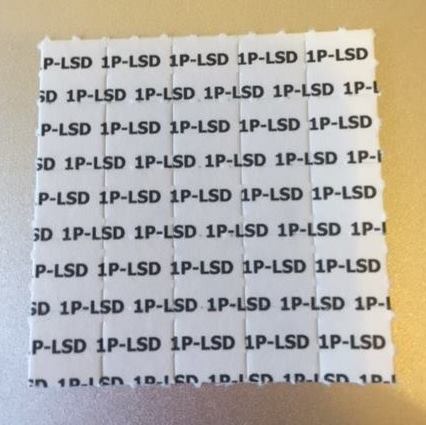

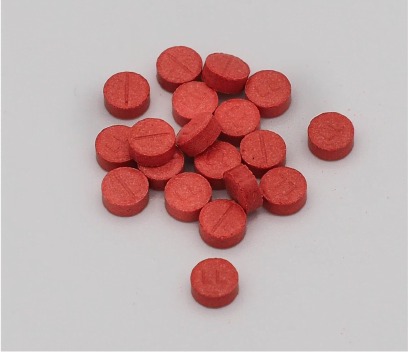
1P-LSD Blotters 100mcg
$11.00
1P-LSD Blotters 100 mcg provide a potent lysergamide prodrug of LSD used in research settings. Delivered on precision-dosed blotters, 1P-LSD is favored for its serotonergic activity and neuropharmacological research applications.
Price is per unit, contact us for bulk pricing
Buy 1P-LSD Blotters 100 mcg – USA & Europe
1. What is 1P-LSD?
1P-LSD (1-propionyl-lysergic acid diethylamide) is a synthetic lysergamide psychedelic that acts as a prodrug to LSD. It produces psychoactive effects through serotonin receptor agonism, primarily targeting 5-HT2A receptors. Used widely in research, 1P-LSD offers a similar qualitative profile to LSD but with a slightly reduced potency due to the added propionyl group.
2. Chemical Composition & Structure of 1P-LSD
The molecular formula of 1P-LSD is C23H29N3O2, with a molecular weight of approximately 379.5 g/mol. Its structure features the classical ergoline backbone of LSD, with the addition of a propionyl group attached to the nitrogen on the indole ring. In vivo, 1P-LSD undergoes enzymatic hydrolysis converting it to LSD, which mediates its psychedelic effects.
3. Research Applications of 1P-LSD
Primarily used in neuropsychopharmacology, 1P-LSD allows for the study of serotonergic psychedelics’ interaction with brain receptors and altered states of consciousness. Research focuses on its pharmacokinetics, metabolic profiling, and potential for therapeutic application in mood disorders and other neuropsychiatric conditions.
4. Recommended Laboratory Handling & Safety Guidelines
Handle with appropriate PPE—gloves, lab coat, eye protection—in a controlled, ventilated environment. Avoid skin contact, inhalation, or ingestion. Use powder containment methods and maintain blotters in desiccated, low-light conditions.
5. Hazard Warnings & Risk Statements (GHS Classification)
1P-LSD presents hazards typical of potent psychoactive substances, including risks of psychological distress and physiological effects like elevated heart rate and blood pressure. Safety data sheets classify it as harmful and irritant, requiring controlled storage and handling.
6. Compatibility with Other Reagents or Substances
Stably soluble in solvents such as ethanol, DMSO, and acetonitrile. Researchers should avoid strong oxidizing agents and extremes of pH. Interactions with MAO inhibitors should be carefully monitored.
7. Emergency Protocols for Accidental Exposure
For skin contact, wash immediately with soap and water; for inhalation, move to fresh air and seek help if symptoms arise; eye exposure requires flushing with water for 15 minutes. Ingestion or severe exposure requires emergency medical attention.
8. Storage Stability & Shelf Life Monitoring
Storage below -20°C in dark, airtight containers with desiccants maintains stability, extending shelf life to 6–12 months. Blotters should be inspected for discoloration or degradation.
9. Can Researchers Purchase 1P-LSD Without a License?
Yes, 1P-LSD is available for purchase without license for research use. However, verification of legal status in the user’s jurisdiction is required.
10. Is It Legal to Order 1P-LSD Online in My Country?
The legal status of 1P-LSD varies. Some regions regulate it explicitly as a controlled substance. Researchers must ensure compliance with local laws.
11. Is 1P-LSD Considered Safe for Laboratory Use?
When used with standard laboratory safety practices, 1P-LSD is considered safe for research applications. The substance’s potency requires careful dosing and exposure management.
12. Special Considerations for Researchers with Medical Conditions
Individuals with cardiovascular, psychiatric, or neurological disorders should avoid handling 1P-LSD due to its potent physiological and psychological effects.
13. Allergen Exposure Risks When Handling 1P-LSD
Although uncommon, mild skin irritation and sensitization may occur. PPE can prevent exposure-related reactions.
14. Can 1P-LSD Be Used in Combination with Other Research Materials?
Combining with MAO inhibitors or serotonergic agents may potentiate effects and should be done with caution. Experimental validation is advised.
15. Can Pregnant Researchers Handle 1P-LSD?
Pregnant researchers should avoid exposure due to unknown risks to fetal development.
16. Proper Handling Protocols for Best Experimental Consistency
Use precision analytical balances and standardized protocols for applying 1P-LSD onto blotters. Store prepared blotters away from moisture and light to ensure consistent dosing.
17. Optimizing Research Output with 1P-LSD
Employ high-purity (>98%) 1P-LSD blotters at controlled dosages (100 mcg) to achieve reproducible serotonergic activation in experimental models.
18. Reported Results and Efficacy in Experimental Settings
1P-LSD produces LSD-like behavioral effects with approximately one-third the potency in animal models. Human reports confirm serotonergic receptor engagement with typical psychedelic effects.
19. Known Adverse Reactions or Lab Incidents
Adverse effects include anxiety, paranoia, physical symptoms like increased heart rate, but no major lab incidents reported when handled correctly.
20. What To Do in Case of Severe Exposure or Contamination
Remove contaminated clothing, thoroughly wash affected area, and seek immediate medical care. Inform safety authorities.
21. Can Alcohol-Based Solvents Be Used with 1P-LSD?
Yes, ethanol and other alcohol solvents are commonly used for solution preparation.
22. What If I Skip a Scheduled Measurement or Test Cycle?
Skipping or delaying measurements may reduce data accuracy and affect results reproducibility.
23. Maximum Recommended Duration of Experimental Storage or Use
Up to 6 to 12 months at optimal storage conditions; discard if degradation is observed.
24. Stability After Discontinuation of Testing
Stable if stored properly; dispose of residues according to hazardous waste protocols.
25. Is There Risk of Dependency or Sensitization?
1P-LSD is not considered addictive though psychological sensitization may occur.
26. Long-Term Storage Recommendations for 1P-LSD
Store blotters sealed in airtight, moisture-free containers at temperature below -20°C, protected from light.
27. Alternative Research Chemicals with Similar Properties
LSD, ALD-52, ETH-LAD, and LSZ are structurally related analogues used in psychedelic research.

Reviews
Clear filtersThere are no reviews yet.