



Buy 2-FA (2-Fluoroamphetamine)
$ 17.95 $ 279.95Price range: $ 17.95 through $ 279.95
2-FA is a fluorinated amphetamine stimulant used in research to study neuropharmacological effects of substituted amphetamines.
2-FA (2-Fluoroamphetamine) Product Description
Introduction
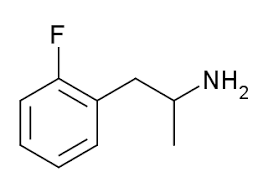
2-Fluoroamphetamine (2-FA) is a synthetic stimulant and a fluorinated analog of amphetamine. It features a fluorine atom substituted at the second position of the phenyl ring on the amphetamine molecule, which modifies its pharmacological profile. This compound is typically encountered as a crystalline solid and used primarily for research purposes to explore its stimulant properties and neurochemical effects.
Chemical Properties and Specifications
Structural and Molecular Characteristics
-
Chemical Formula: C9H12FN
-
Molecular Weight: 153.20 g/mol
-
CAS Number: 1716-60-5
-
IUPAC Name: 1-(2-fluorophenyl)propan-2-amine
-
Synonyms: 2-Fluoroamphetamine, 2-FA, 2-FAMP
Physical Properties and Purity Standards
-
Appearance: Typically available as a white or off-white crystalline solid.
-
Purity: Research chemicals generally maintain a purity of ≥ 98%.
-
Solubility: Soluble in organic solvents such as ethanol, methanol, DMF, and DMSO; limited solubility in water.
-
Storage Recommendations: Store in a cool, dry place below -20°C in airtight containers to maintain chemical stability.
Pharmacological Profile and Mechanism of Action
Proposed Mechanism of Action
2-FA acts as a central nervous system stimulant, primarily by increasing the release and inhibiting the reuptake of dopamine and norepinephrine, thus elevating extracellular concentrations of these neurotransmitters. The fluorine substitution alters its binding affinities and metabolic properties compared to amphetamine, impacting potency and duration of stimulant action.
Research Applications
2-FA is used in controlled laboratory settings to study neuropharmacology, neurotransmitter release mechanisms, and stimulant effects relative to other amphetamines. It serves as a model compound for evaluating the influence of fluorine substitution on pharmacodynamics and pharmacokinetics.
Comparative Analysis with Related Compounds
Comparison with Related Compounds
2-FA differs from the common amphetamine by the presence of the fluorine atom at the ortho position of the phenyl ring, which modulates its activity and metabolism. Compared to 4-fluoroamphetamine (4-FA), it exhibits differences in stimulant efficacy and adverse effect profiles, with limited comprehensive data available.
Advantages for Research
The compound’s unique chemical structure allows researchers to explore structure-activity relationships among substituted amphetamines. Its comparatively lower potency and modified stimulant effects make it a useful chemical probe in neuropharmacological studies.
Safety and Handling Guidelines
Laboratory Safety
Use standard laboratory protective equipment including gloves, lab coats, and eye protection. Avoid inhalation, ingestion, and skin contact. Handle in well-ventilated areas or fume hoods to minimize exposure.
Disposal and Environmental Considerations
Dispose of according to hazardous chemicals protocols in compliance with local regulations. Prevent release into drainage or soil to minimize environmental impact.
Regulatory Status
2-FA is a controlled substance in many jurisdictions due to abuse potential and lack of accepted medical use. It is strictly limited to licensed scientific research environments.
Frequently Asked Questions (FAQs)
-
What is 2-FA used for in research?
-
Primarily to study stimulant pharmacology and neurochemical effects of fluorinated amphetamines.
-
How does 2-FA differ from amphetamine?
-
It contains a fluorine substitution at the second position of the phenyl ring, affecting potency and metabolism.
-
What solvents dissolve 2-FA?
-
Soluble in ethanol, methanol, DMF, and DMSO; weakly soluble in water.
-
How should 2-FA be stored?
-
In airtight containers at temperatures below -20°C, protected from moisture and light.
-
Is 2-FA legal?
-
It is regulated as a controlled substance in many countries and restricted to research only.
Conclusion
2-Fluoroamphetamine (2-FA) is a research chemical stimulant characterized by fluorine substitution on the amphetamine core structure. It offers a valuable pharmacological profile for studying dopaminergic and noradrenergic systems with specific interest in the effects of fluorination on stimulant activity and metabolism. Proper laboratory handling, legal compliance, and controlled research use are essential.
Reviews
There are no reviews yet.