
Buy 2-MMC (2-Methylmethcathinone)
$ 12.71 $ 1,124.96Price range: $ 12.71 through $ 1,124.96
2-MMC is a positional isomer of methylmethcathinone used in research to study stimulant properties and neuropharmacology.
2-MMC (2-Methylmethcathinone) Product Description
Introduction
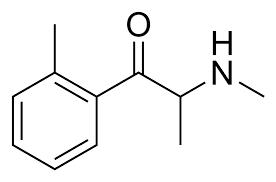
2-MMC, also known as 2-Methylmethcathinone or ortho-mephedrone, is a synthetic cathinone stimulant and a positional isomer of 3-MMC and 4-MMC. It differs from typical methcathinones by having a methyl group attached to the second (ortho) position of the phenyl ring. 2-MMC is a research chemical used in neuropharmacology laboratories to study stimulant effects and structure-activity relationships among substituted cathinones.
Chemical Properties and Specifications
Structural and Molecular Characteristics
-
Chemical Formula: C11H15NO
-
Molecular Weight: 177.24 g/mol
-
CAS Number: 1246911-71-6 (base), 1246815-51-9 (hydrochloride salt)
-
IUPAC Name: 2-(Methylamino)-1-(2-methylphenyl)propan-1-one
-
Synonyms: 2-MMC, 2-Methyl-N-methylcathinone, ortho-mephedrone, 2-Me-MCAT
Physical Properties and Purity Standards
-
Appearance: White crystalline powder or hydrochloride salt.
-
Purity: Research-grade 2-MMC typically ≥ 98%.
-
Solubility: Soluble in dimethylformamide (DMF), dimethyl sulfoxide (DMSO), ethanol, and phosphate-buffered saline (pH 7.2).
-
Storage Recommendations: Store in airtight containers at low temperatures, protected from moisture and light to prevent degradation.
Pharmacological Profile and Mechanism of Action
Proposed Mechanism of Action
2-MMC acts primarily as a central nervous system stimulant by increasing dopamine and norepinephrine release and inhibiting their reuptake. The methyl substitution at the 2-position of the phenyl ring influences potency, metabolic stability, and receptor affinity compared to other methylcathinones, impacting behavioral and physiological effects.
Research Applications
Utilized in behavioral pharmacology and neurochemical research to evaluate stimulant effects, neurotransmitter system interactions, and metabolism. 2-MMC also serves as a model molecule in forensic and toxicological studies due to its emergence as a designer stimulant.
Comparative Analysis with Related Compounds
Comparison with Related Compounds
2-MMC differs structurally from 3-MMC and 4-MMC in the position of methyl substitution on the phenyl ring, which affects potency and metabolic pathways. Compared with methcathinone, 2-MMC’s methyl substitution alters receptor binding and psychoactive effects.
Advantages for Research
Provides insight into how positional ring substitutions influence psychostimulant activity and pharmacokinetics. It serves as a useful chemical probe for studying stimulant mechanisms and toxicology.
Safety and Handling Guidelines
Laboratory Safety
Use standard protective equipment—gloves, lab coat, eye protection. Handle in ventilated areas or fume hoods to minimize inhalation and contact exposure.
Disposal and Environmental Considerations
Dispose of according to hazardous chemical waste protocols. Prevent environmental contamination through proper containment.
Regulatory Status
2-MMC is controlled or monitored by various national agencies due to its stimulant properties and abuse potential. It is intended solely for regulated scientific research.
Frequently Asked Questions (FAQs)
-
What is 2-MMC primarily used for?
-
Research on stimulant neuropharmacology and forensic toxicology.
-
How does 2-MMC differ from 3-MMC and 4-MMC?
-
The methyl group location on the phenyl ring differs, influencing pharmacological effects.
-
What solvents dissolve 2-MMC?
-
DMF, DMSO, ethanol, and buffer solutions.
-
How should 2-MMC be stored?
-
Airtight, cool, dry, and dark conditions.
-
Is 2-MMC legal?
-
Often regulated; authorized only for scientific research in many countries.
Conclusion
2-Methylmethcathinone (2-MMC) is a research stimulant cathinone notable for its positional methyl substitution affecting pharmacology and metabolism. It serves valuable roles in stimulant research, forensic analysis, and toxicology under strict legal and laboratory safety protocols.
Reviews
There are no reviews yet.