
Buy HXE
$ 29.95 $ 397.95Price range: $ 29.95 through $ 397.95
HXE (Hydroxetamine) is a dissociative arylcyclohexylamine research chemical used for NMDA receptor and ketamine-like effect studies.
HXE (3-HO-2′-Oxo-PCE) Product Description
Introduction
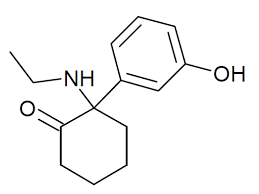
HXE, known chemically as 3-HO-2′-Oxo-PCE or Hydroxetamine, is a novel dissociative research chemical belonging to the arylcyclohexylamine class. It is structurally related to ketamine, methoxetamine (MXE), and phencyclidine (PCP), producing ketamine-like dissociative and hallucinogenic effects. HXE is utilized in neuroscience research to study NMDA receptor antagonism and dissociative mechanisms.
Chemical Properties and Specifications
Structural and Molecular Characteristics
-
Chemical Formula: C14H19NO2
-
Molecular Weight: 233.3 g/mol
-
CAS Number: 1620054-73-0
-
IUPAC Name: 2-(ethylamino)-2-(3-hydroxyphenyl)cyclohexan-1-one
-
Synonyms: HXE, Hydroxetamine, O-desmethyl Methoxetamine, 3-hydroxy-2-oxo-PCE
Physical Characteristics
-
Appearance: White crystalline powder
-
Purity: Typically ≥98% research grade
-
Solubility: Soluble in ethanol and DMSO, limited aqueous solubility
-
Storage: Store in a cool, dry place away from light and moisture
Pharmacological Profile and Mechanism of Action
-
HXE acts as a dissociative by antagonizing NMDA receptors, particularly at the dizocilpine (MK-801) binding site
-
Produces hallucinogenic and dissociative effects similar to ketamine but with a distinct potency and duration profile
-
Limited human data exists; potential risks and toxicity are not fully understood
Research Applications
-
Used in neuroscience and pharmacology research examining NMDA receptor function and dissociative properties
-
Offers a model to study dissociative hallucinogens and their impact on CNS activity
Safety and Handling
-
Use PPE: gloves, eye protection, lab coat
-
Handle in well-ventilated areas or fume hoods to avoid inhalation or skin exposure
-
Dispose according to hazardous chemical protocols
Regulatory Status
-
Classified as a research chemical with no recognized medical use
-
Usage restricted to licensed laboratories under regulatory compliance
Frequently Asked Questions (FAQs)
-
What is HXE?
A dissociative research chemical related to ketamine and methoxetamine. -
What effects does it produce?
Hallucinogenic and dissociative effects via NMDA receptor antagonism. -
What is the molecular weight?
233.3 g/mol. -
Is HXE soluble in water?
Limited aqueous solubility; better dissolved in ethanol or DMSO. -
How should it be stored?
In a cool, dry, dark environment.
Conclusion
HXE is a novel arylcyclohexylamine dissociative research chemical valuable for studying NMDA receptor modulation and hallucinogenic mechanisms. Due to limited human data, researchers are warned to apply harm reduction and safety practices.
Reviews
There are no reviews yet.